
Experience Integrated Analytical Insights
Discover how Ifa Analysis uniquely bridges Ifa Knowledge (IK) and Orisa Knowledge (OK) with modern analytical methods to enhance understanding across diverse fields.
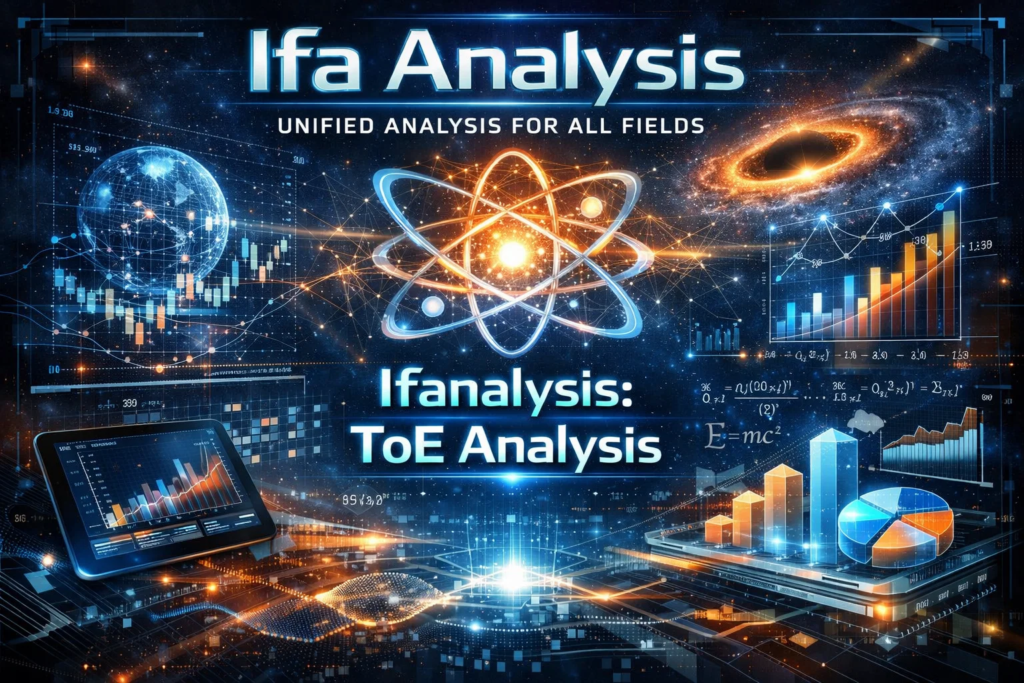
Analysis is the process of breaking something down to understand its nature better.
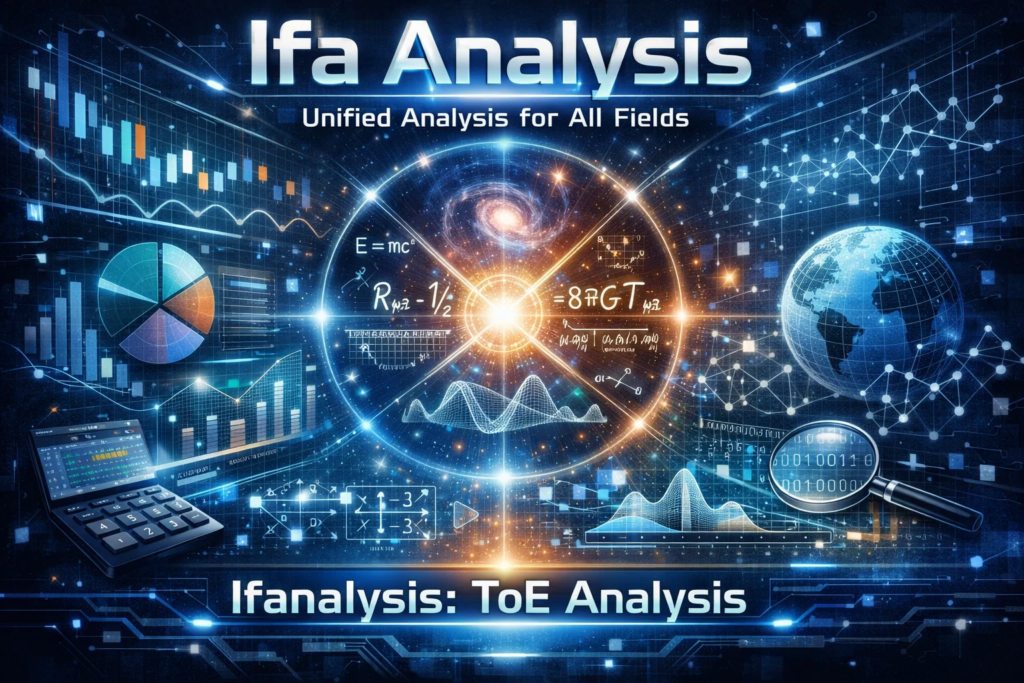
Ifa Analysis is a Tool of the IFA Internet, also known as the IFA Body of Knowledge (IFÁBOK), used to do Analysis in modern fields through the Lens of Ifa.

Some examples of analysis in modern fields are mathematical analysis (such as calculus), statistical analysis, data analysis, psychoanalysis, and others.
Ifanalysis is a System for conducting Analysis in all fields in Ifa Language (IfaLang) to achieve unification and integration.
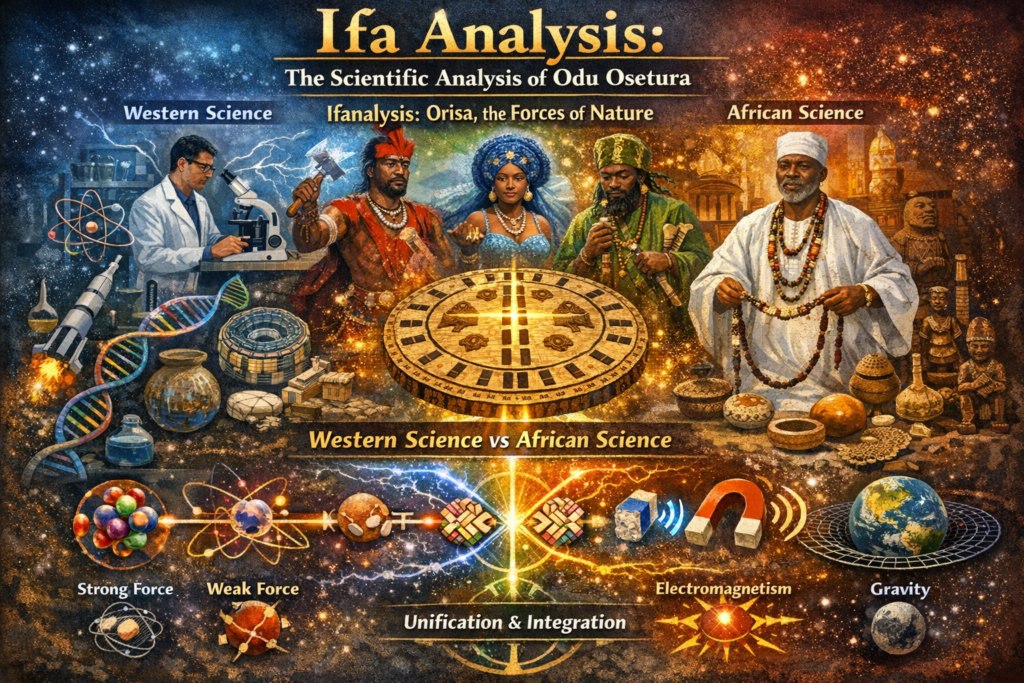


Unified Analytical Framework
Leveraging Ifa Language (IfaLang), this framework synthesizes mathematical, statistical, psychoanalytical tools, and others into a cohesive system for comprehensive analysis.

Cross-disciplinary Integration
Facilitates seamless application of Ifa principles across various modern disciplines, promoting holistic and interconnected perspectives in problem-solving.

Enhanced Decision Support
Provides robust analytical support that enriches decision-making processes by embedding traditional insights within contemporary methodologies.
Understanding Ifa Analysis
Explore the comprehensive framework that integrates Ifa principles with modern analytical methods to unlock deeper insights.
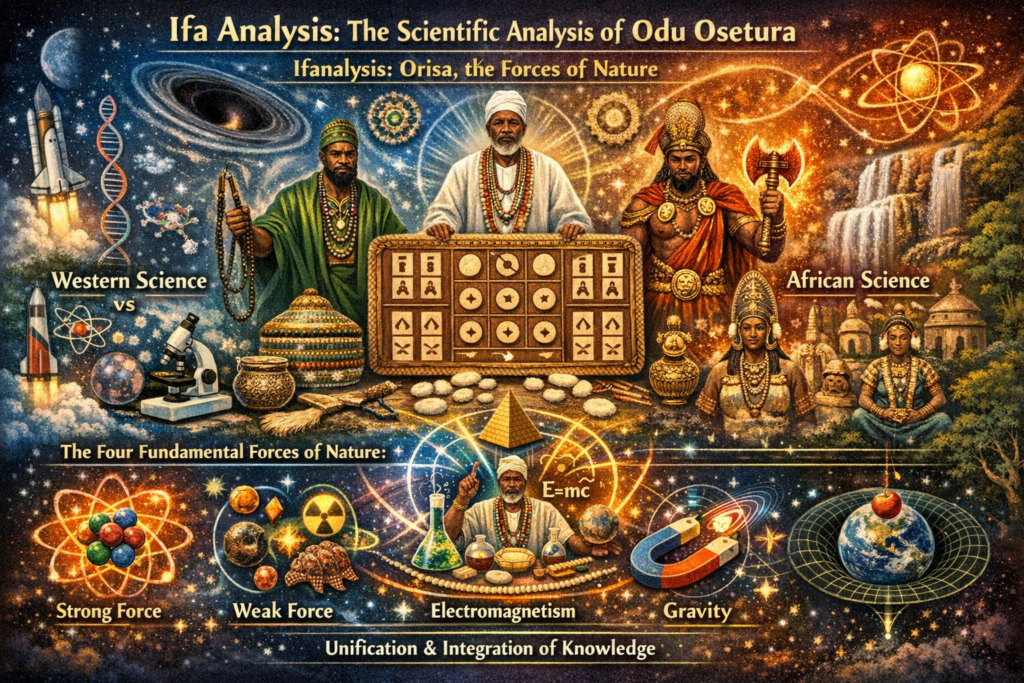

Initiating Ifa Analytical Framework
Begin by applying IfaLang to unify diverse data sets, establishing a solid base for subsequent analytic exploration.

Advancing Analytical Techniques
Utilize integrated mathematical and statistical tools within IfaLang to enhance precision and clarity in your analysis.

Integrative Solution Overview
Discover how Ifa Analysis transforms complex data into coherent understanding, bridging traditional wisdom with contemporary science.
Unlock the Power of Ifa Analysis
Discover how Ifa Analysis integrates traditional wisdom with modern techniques, enabling comprehensive insights across diverse analytical fields.

Unified Analytical Framework
Leverages IfaLang to combine mathematical analysis, statistical anaylsis, data analysis, and others seamlessly.

Bridging Tradition and Modernity
Applies classical Ifa principles to contemporary psychoanalytical and data-driven methods.

Comprehensive Systems Understanding
Facilitates holistic examination of complex systems through integrated analysis.

Innovative Analytical Language
Employs IfaLang as a unique tool to unify diverse analytical approaches effectively.
What Is Analysis?
Analysis comes from the Greek analýein — “to loosen” or “to break apart.”
At its core, analysis means:
Breaking a complex whole into parts to understand structure, function, and relationships.
In modern knowledge systems, analysis is not just a method — it is a foundational epistemic tool across science, mathematics, engineering, humanities, policy, and technology.
Let’s explore major fields of analysis across domains.
1. Mathematical Analysis
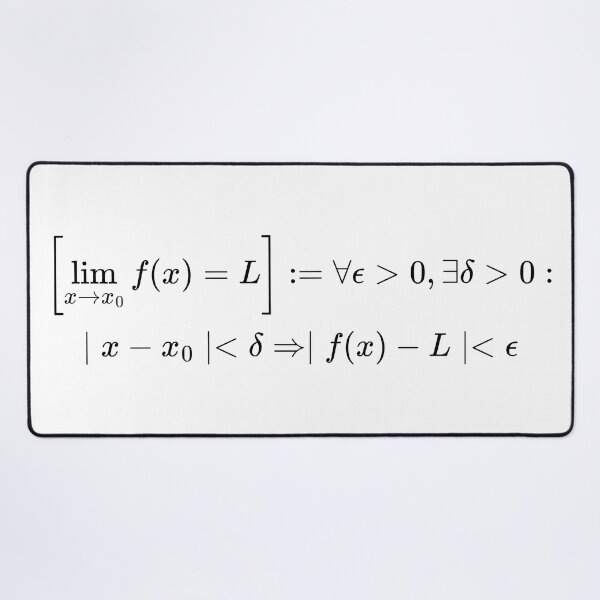

Core Idea:
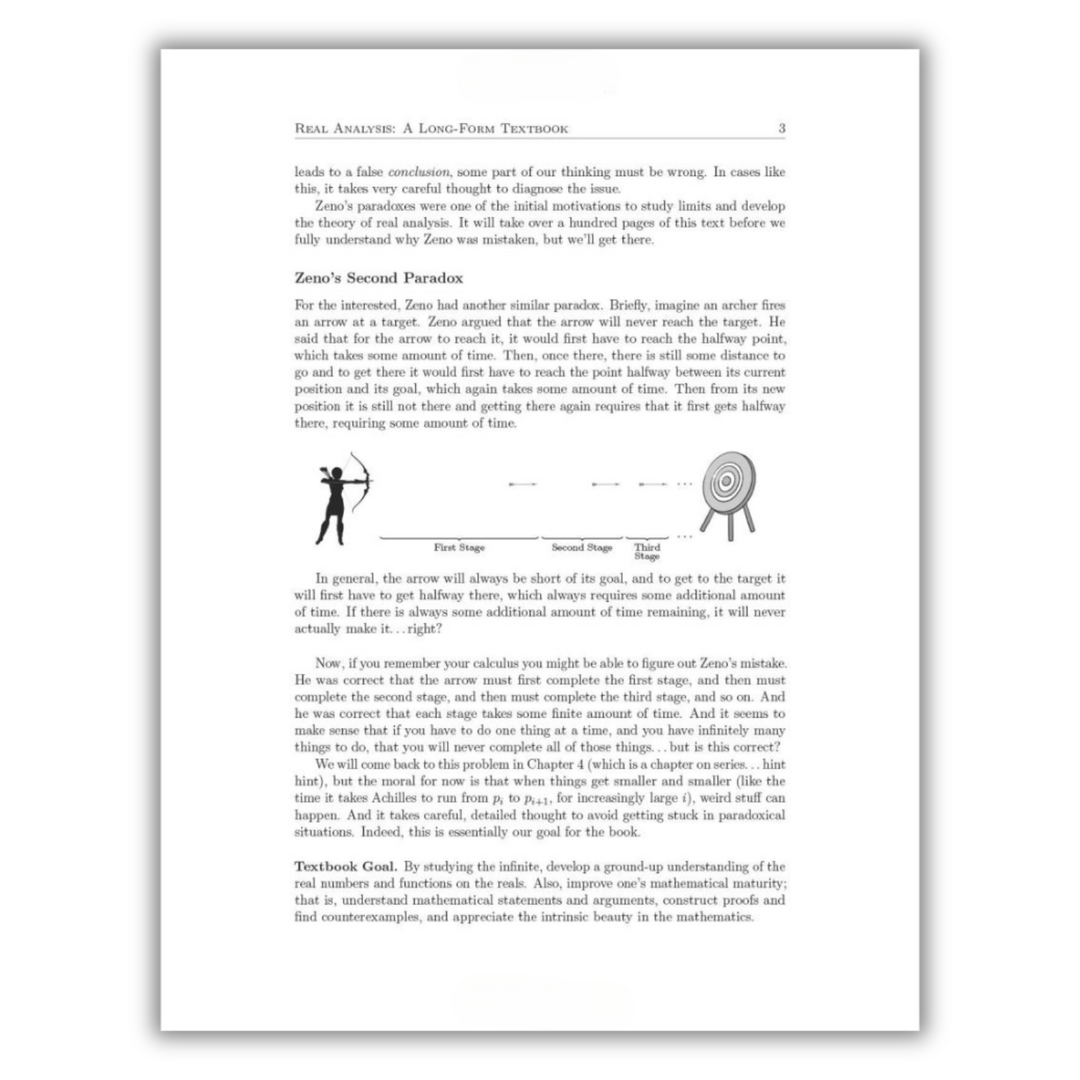
Study of limits, continuity, change, and infinity.
Historical Roots:
- Isaac Newton
- Gottfried Wilhelm Leibniz
Major Branches:
- Real Analysis – rigorous calculus, ε–δ definitions
- Complex Analysis – functions of complex numbers
- Functional Analysis – infinite-dimensional spaces
- Harmonic Analysis – Fourier methods
- Measure Theory – integration foundations
Why It Matters:
- Physics (quantum mechanics)
- Engineering (signal processing)
- Economics (optimization models)
- AI (gradient descent, neural networks)
Mathematical analysis studies continuous structure and the behavior of functions under limiting processes.
2. Data Analysis


Core Idea:
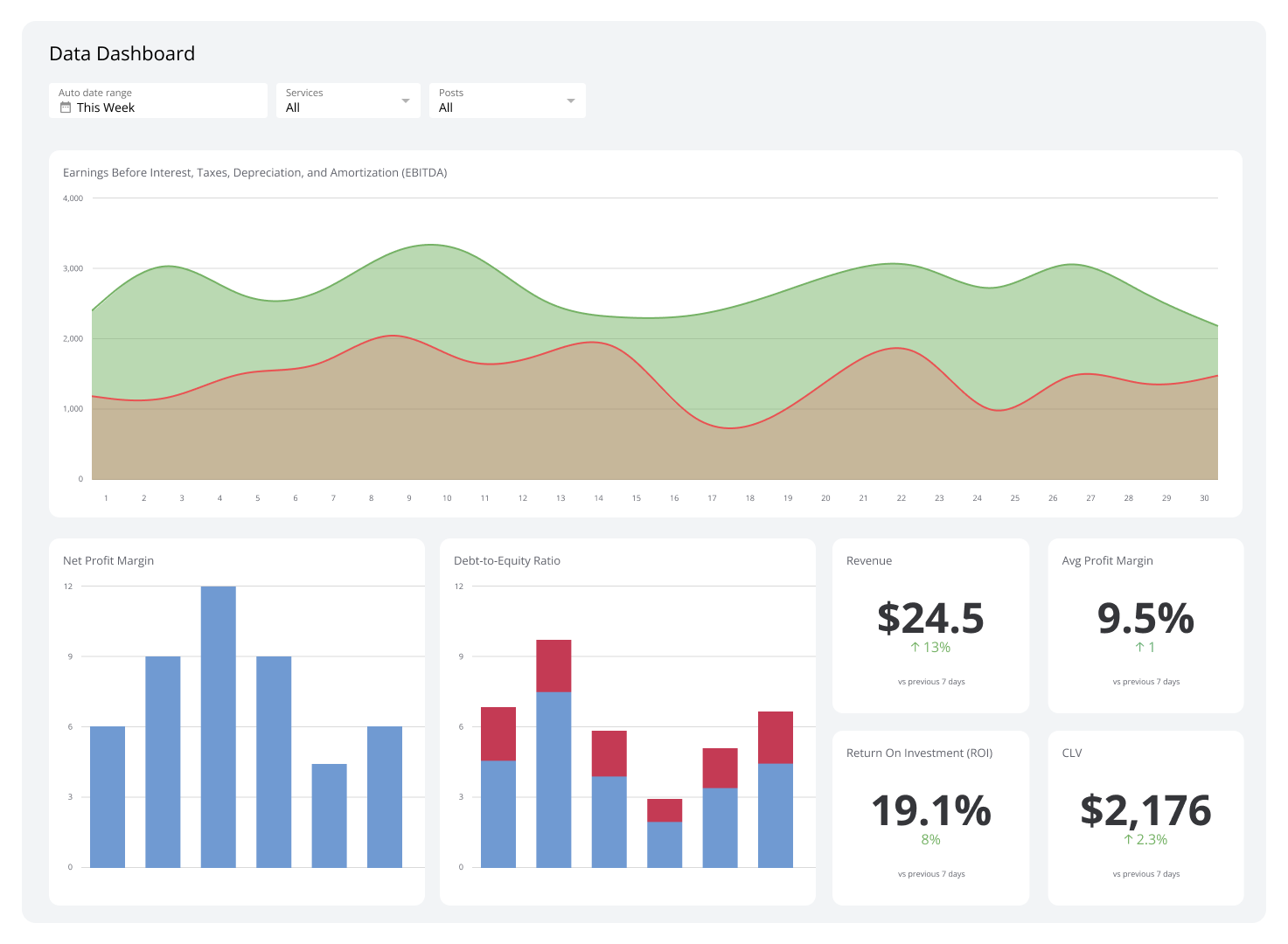
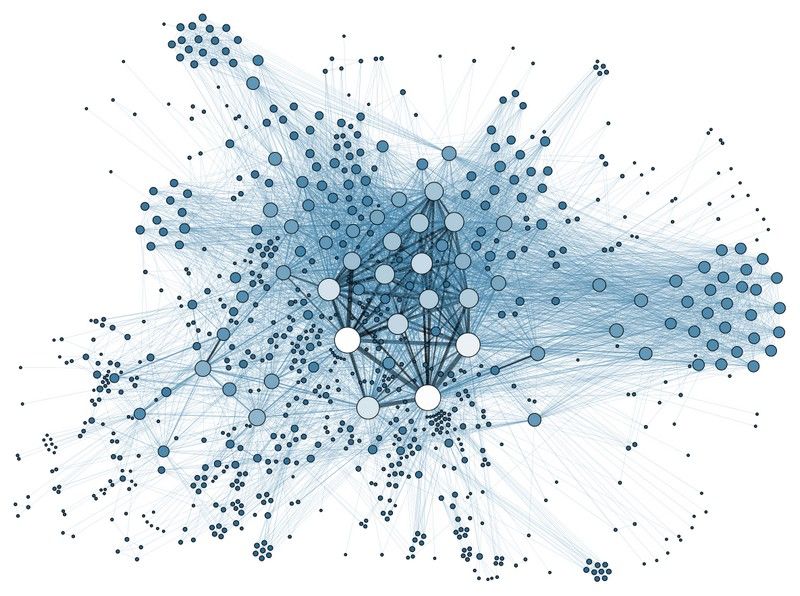
Extracting patterns, trends, and meaning from data.
Components:
- Data cleaning
- Visualization
- Pattern recognition
- Predictive modeling
Modern Tools:
- Python, R
- SQL databases
- Machine learning systems
Applications:
- Business intelligence
- Healthcare diagnostics
- Climate modeling
- Social media analytics
Data analysis transforms raw numbers into actionable knowledge.
3. Statistical Analysis
Core Idea:
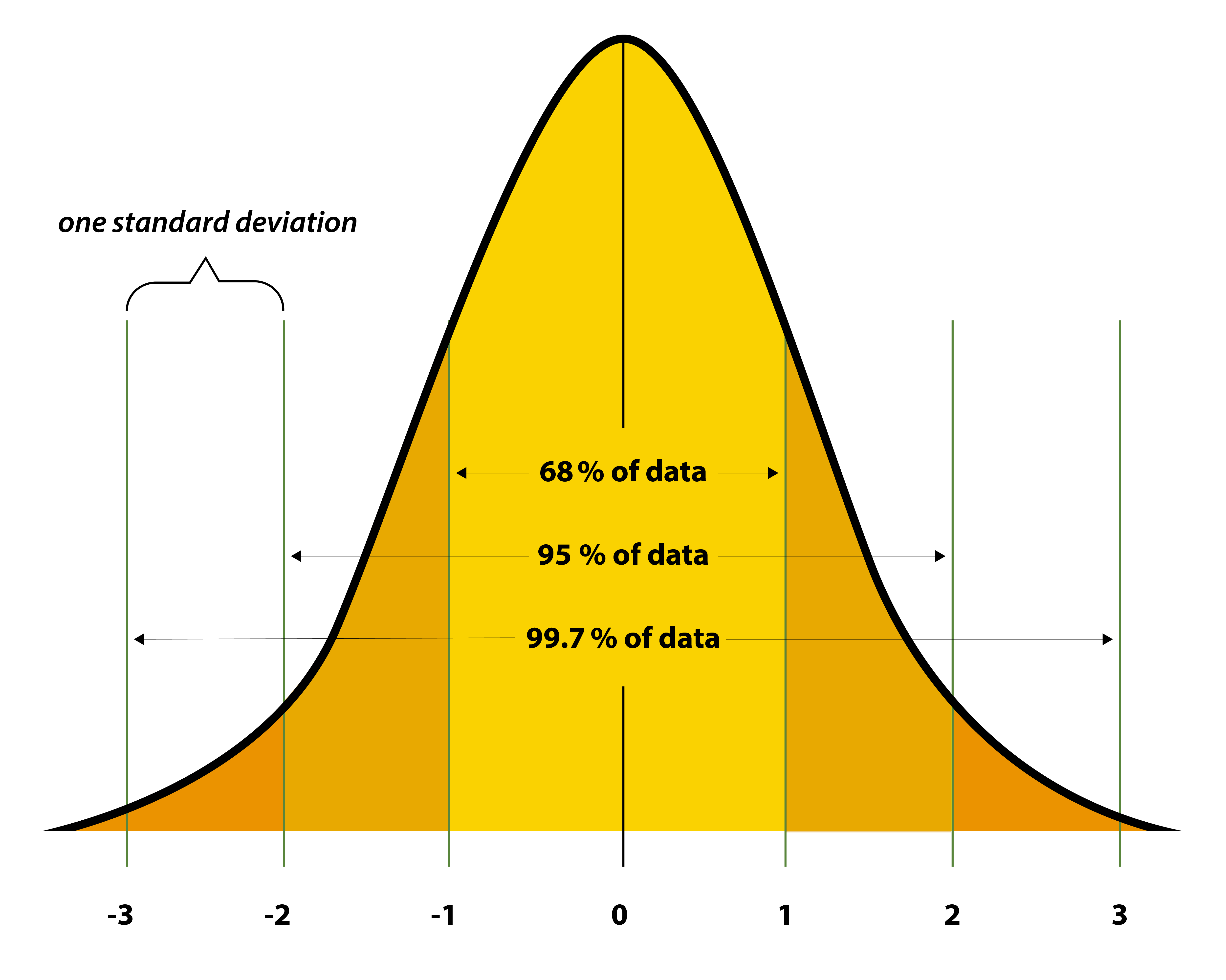
Understanding uncertainty and variability.
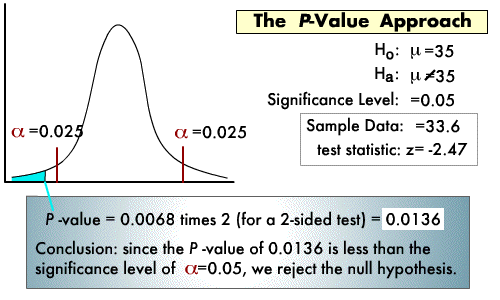
Statistical analysis answers:
- Is this effect real?
- Is this difference significant?
- How confident are we?
Major Areas:
- Descriptive statistics
- Inferential statistics
- Bayesian analysis
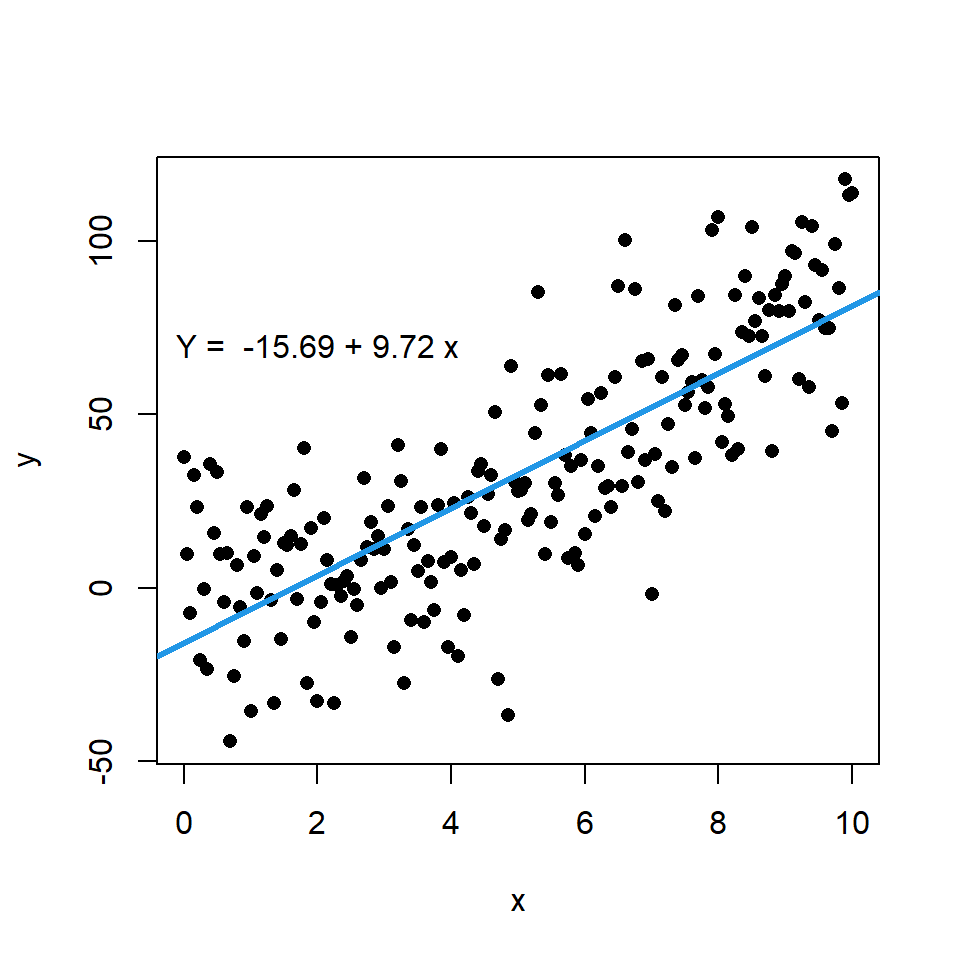
- Regression analysis
- Time series analysis
Statistics provides the logic of inference under uncertainty.
4. Psychoanalysis




Founder:
Sigmund Freud
Core Idea:
Analyzing the unconscious mind.
Key Concepts:
- Id, Ego, Superego
- Repression
- Dream symbolism
- Defense mechanisms
Later developments:
- Carl Jung
- Jacques Lacan
Psychoanalysis studies hidden mental structures influencing behavior.
5. Behavioural Analysis
What Is Behavioural Analysis?
Behavioural analysis is the systematic study of observable behavior — how it is formed, maintained, modified, and predicted.
At its core:
Behaviour is shaped by interaction between the organism and its environment.
Unlike psychoanalysis (which focuses on unconscious motives), behavioural analysis focuses on observable actions and measurable patterns.
Origins: Behaviourism



Major Figures
- Ivan Pavlov – Classical conditioning
- John B. Watson – Founder of behaviorism
- B. F. Skinner – Operant conditioning
Core Theoretical Foundations
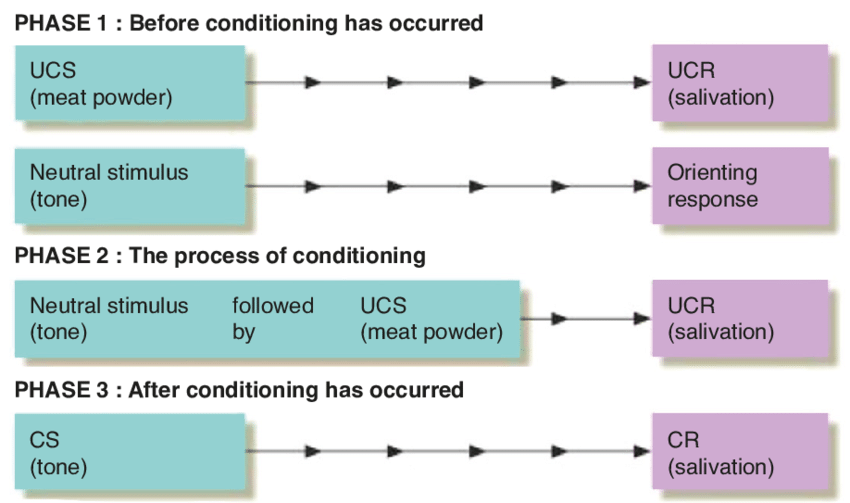
A. Classical Conditioning (Pavlov)
Learning by association.
Stimulus → Response
Bell → Salivation (after repeated pairing with food)
B. Operant Conditioning (Skinner)
Learning by consequences.
Behaviour → Consequence → Future Probability
Four key outcomes:
- Positive reinforcement
- Negative reinforcement
- Punishment
- Extinction
This framework mathematically resembles feedback systems in physics and cybernetics.
Applied Behaviour Analysis (ABA)



Applied Behaviour Analysis (ABA) uses reinforcement principles to change behavior.
Common Applications:
- Autism interventions
- Classroom behavior management
- Organizational performance
- Addiction treatment
- Habit formation
ABA is highly data-driven — behavior is measured, graphed, and optimized.
Modern Behavioural Analysis Fields
Behavioural analysis has expanded far beyond early behaviorism.
Behavioural Economics
Daniel Kahneman
Amos Tversky
Studies systematic deviations from rational decision-making.
Examples:
- Loss aversion
- Framing effects
- Cognitive biases
Behavioural Neuroscience
Studies neural mechanisms behind behavior.
Brain regions, neurotransmitters, and circuits are mapped to actions.
Behavioural Data Science
- Social media behaviour modeling
- Consumer analytics
- Predictive policing (controversial)
- AI behavior modeling
Here behaviour becomes large-scale statistical pattern analysis.
Organizational Behaviour Analysis
Used in:
- Leadership studies
- Incentive design
- Performance systems
- Corporate culture analysis
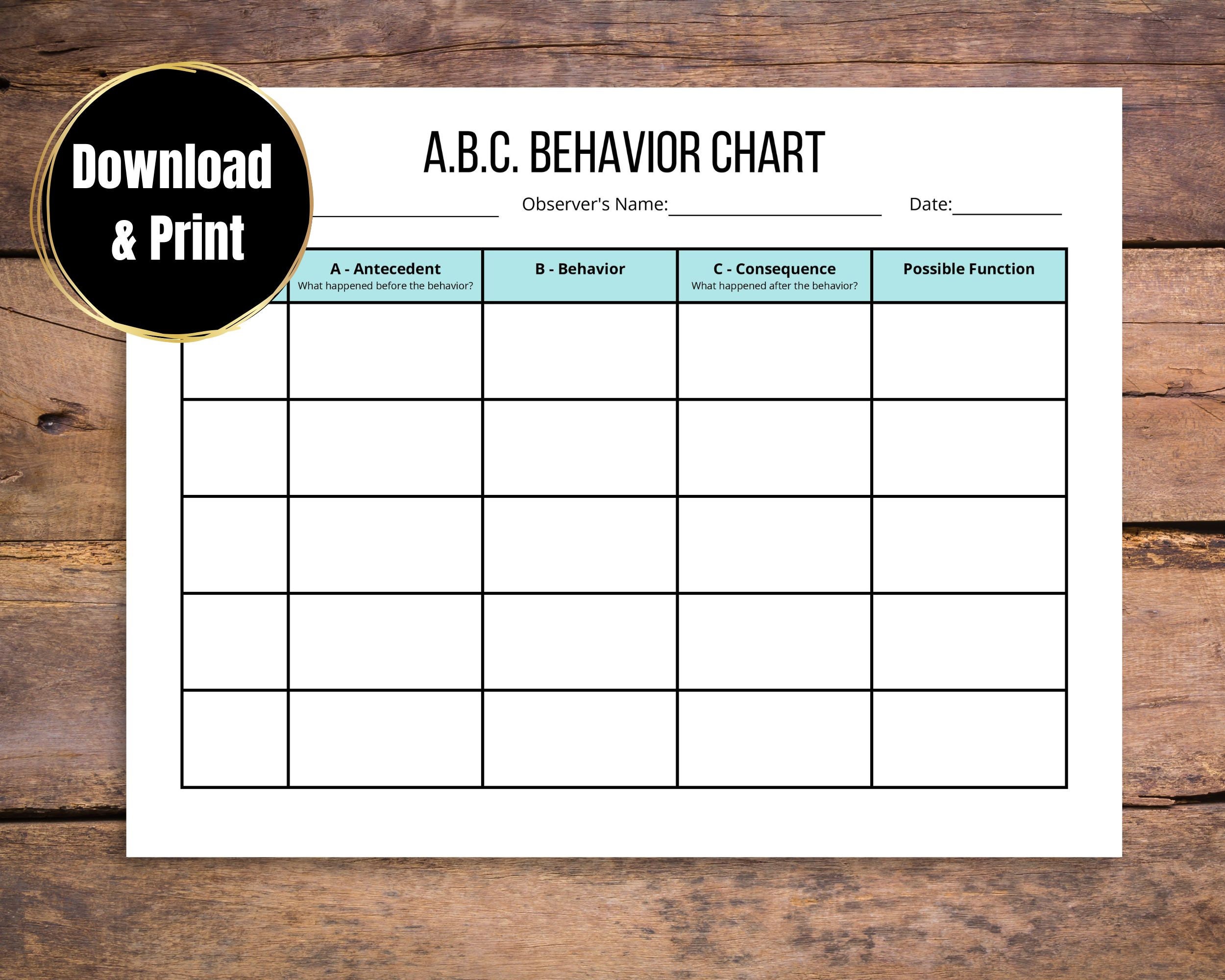
Analytical Framework: The ABC Model
A core tool in behavioural analysis:
A – Antecedent (What happens before?)
B – Behaviour (What is the action?)
C – Consequence (What happens after?)
Example:
Antecedent: Stressful meeting
Behaviour: Raises voice
Consequence: Others withdraw
Over time, consequences reinforce or weaken behaviours.
This is structurally similar to dynamical systems:
Environment → Action → Feedback → State update
Quantitative Behavioural Analysis
Modern behavioural analysis uses:
- Time-series analysis
- Reinforcement learning models
- Markov decision processes
- Bayesian inference
In AI, reinforcement learning directly inherits Skinnerian logic:
Agent → Action → Reward → Policy update.
Criticisms of Behavioural Analysis
- Early behaviorism ignored internal cognition
- Ethical concerns in manipulation
- Cultural variability
- Over-reliance on observable metrics
Modern approaches integrate cognition, emotion, and neurobiology.
Behavioural Analysis vs Psychoanalysis
| Behavioural Analysis | Psychoanalysis |
|---|---|
| Observable behaviour | Unconscious motives |
| Data-driven | Interpretive |
| Environmental focus | Intrapsychic focus |
| Experimental | Clinical narrative |
They represent two different epistemological approaches to understanding human action.
Modern Frontier: Behavioural AI
- AI agents trained via reward signals
- Human behavior prediction systems
- Algorithmic nudging
- Digital reinforcement environments
Behavioural analysis now operates at planetary scale via platforms and algorithms.
6. Systems Analysis
Core Idea:
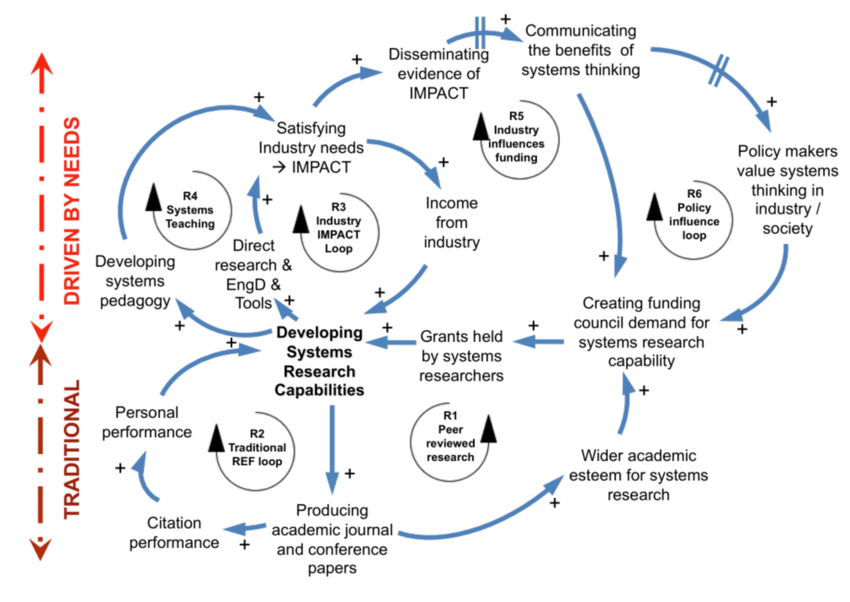
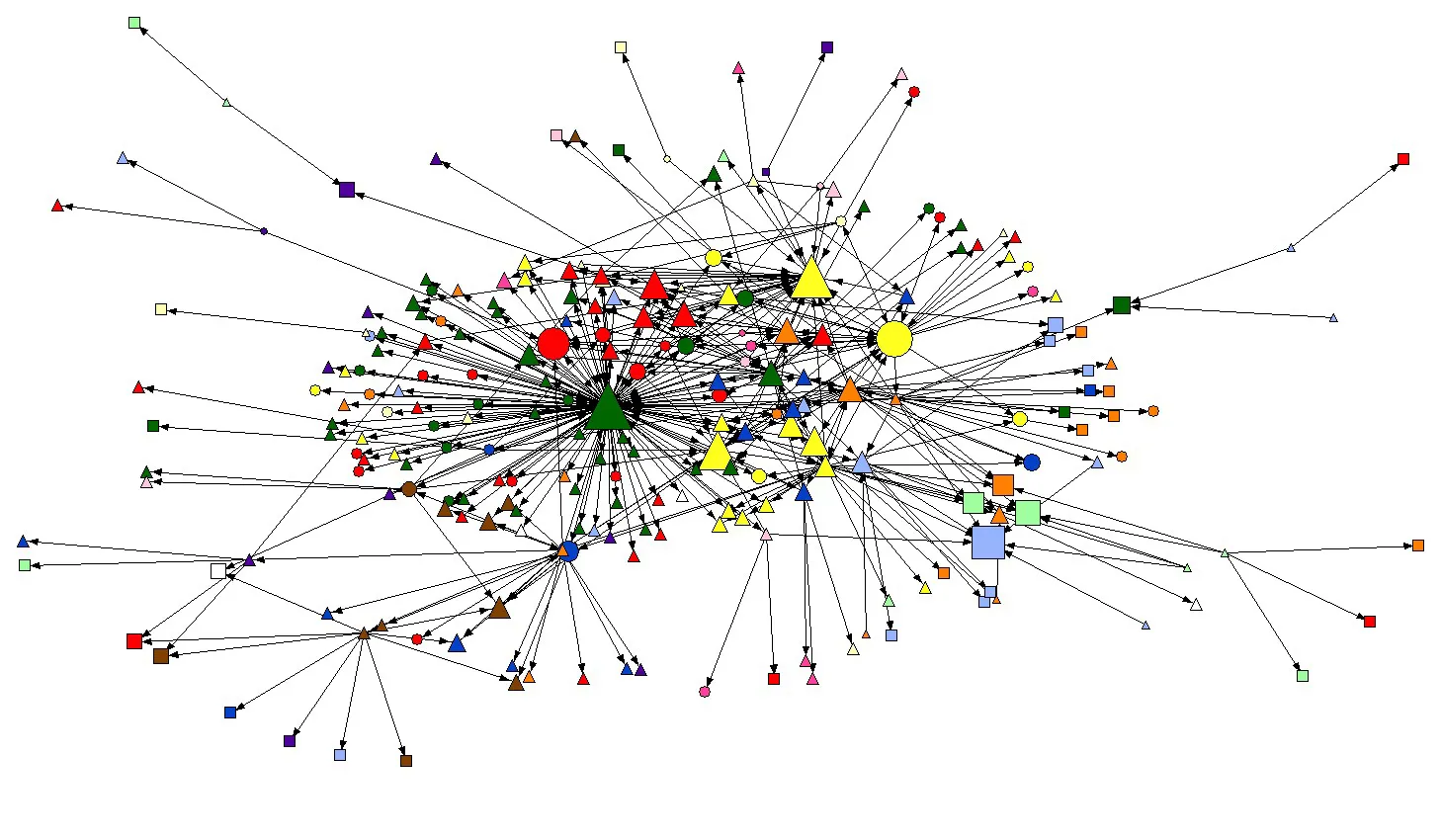
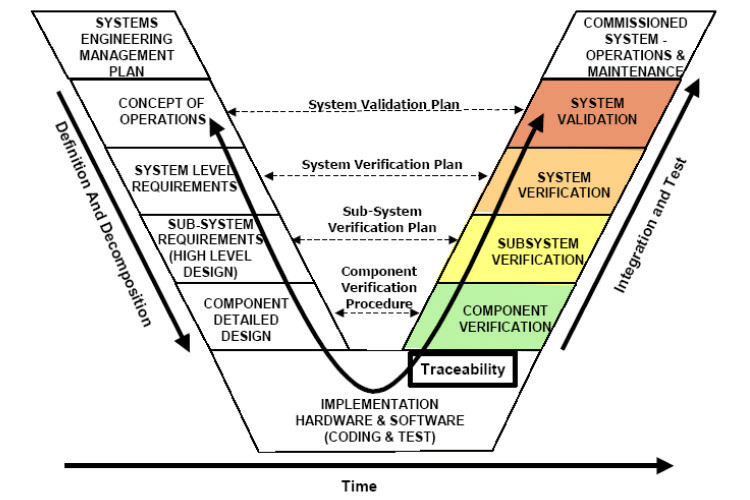
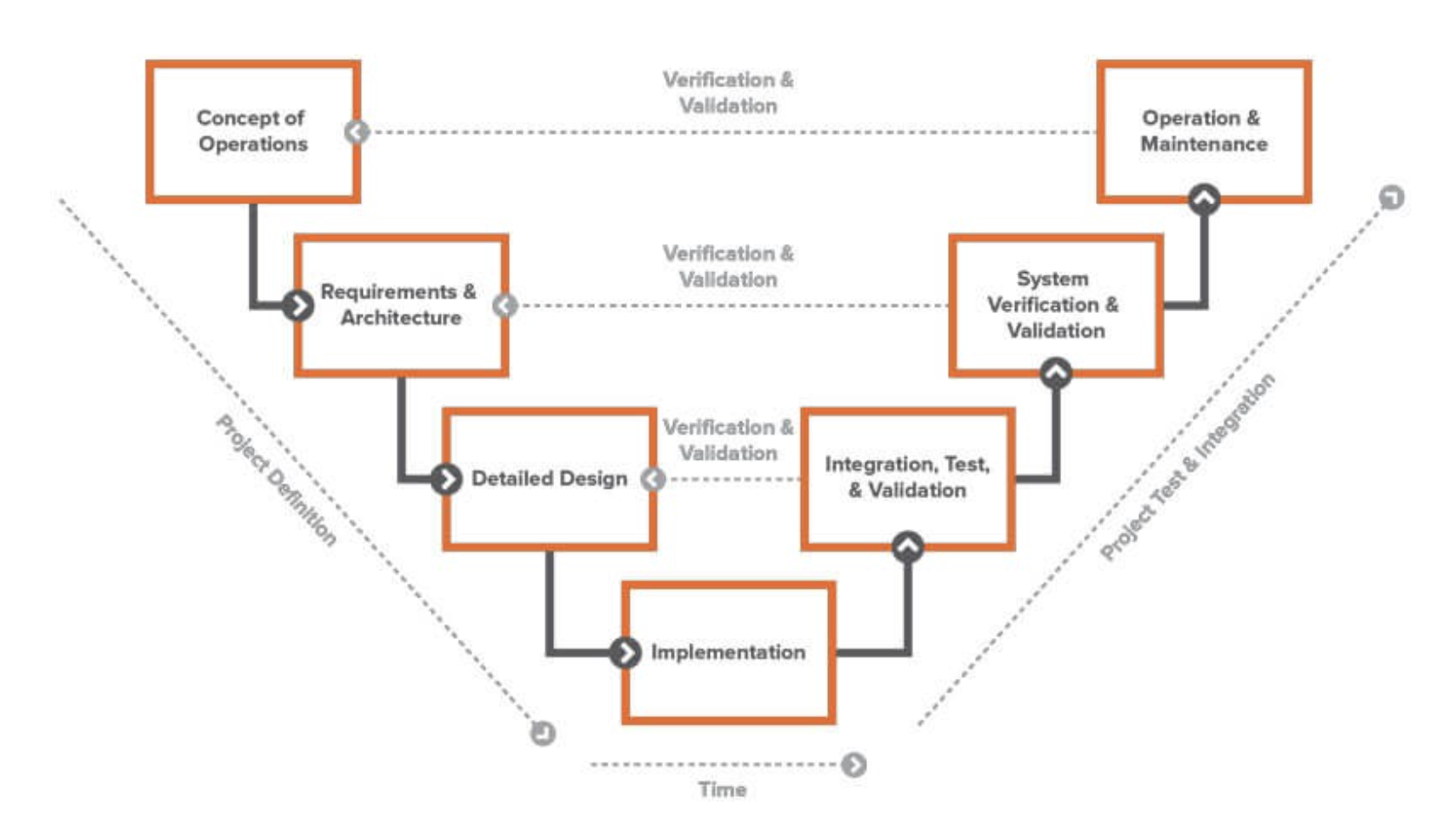
Understanding interconnected components in complex systems.
Influences:
- Ludwig von Bertalanffy (General Systems Theory)
- Norbert Wiener (Cybernetics)
Applications:
- Ecology
- Organizational management
- Software engineering
- Policy modeling
Systems analysis emphasizes relationships and feedback, not isolated parts.
7. Philosophical Analysis
Core Idea:
Clarifying concepts through logical decomposition.
Tradition:
- Bertrand Russell
- Ludwig Wittgenstein
Used to:
- Analyze language
- Clarify meaning
- Examine logical structure
Philosophy treats analysis as conceptual precision.
8. Financial Analysis

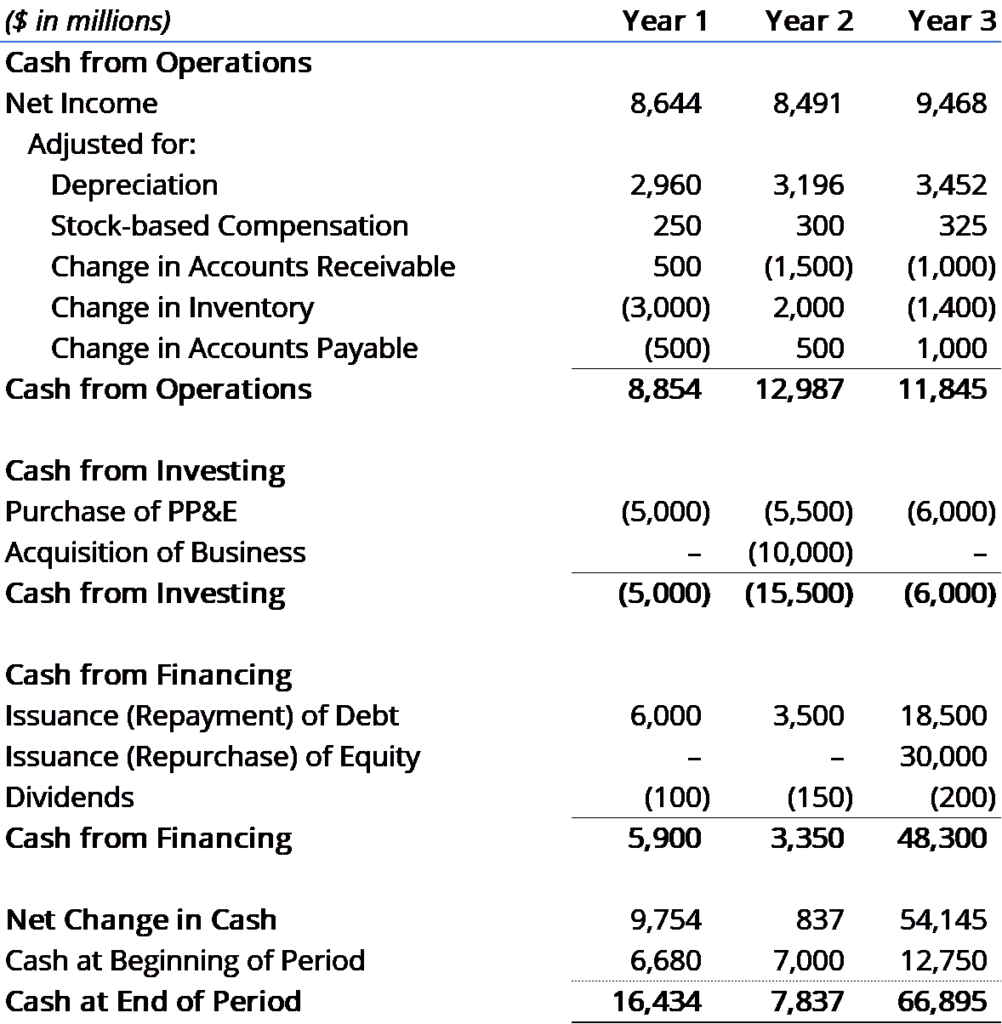
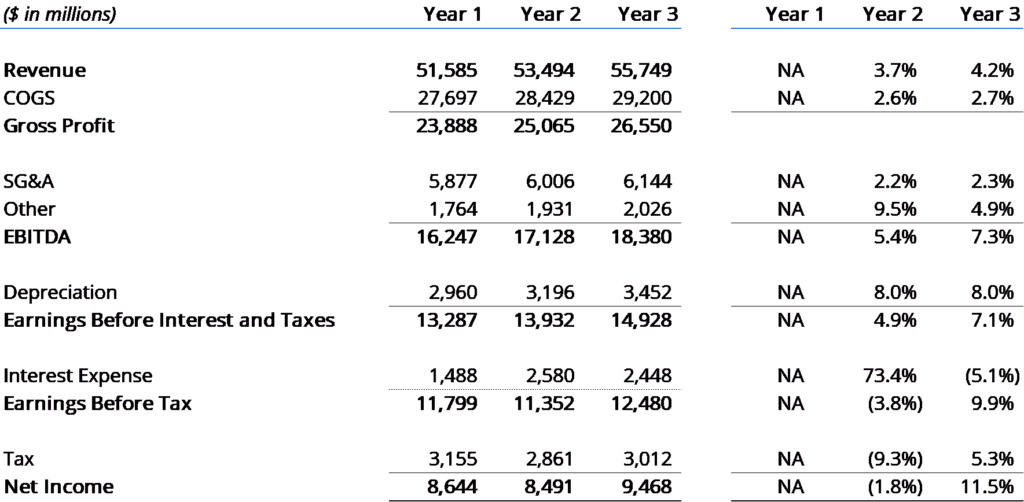
Core Idea:
Evaluating financial performance and risk.
Tools:
- Ratio analysis
- Discounted cash flow
- Risk modeling
- Portfolio theory
Used in:
- Investment
- Corporate finance
- Economic forecasting
9. Computational Analysis
Modern hybrid field combining:
- Algorithms
- Simulation
- Numerical methods
Used in:
- Computational physics
- AI systems
- Cryptography
- Climate models
Computational analysis extends mathematical reasoning into large-scale digital environments.
10. Comparative & Cultural Analysis
Used in:
- Literature
- Anthropology
- Political science
Compares structures across cultures to find:
- Patterns
- Archetypes
- Power structures
Ifanalysis: A Unified Model of Analysis
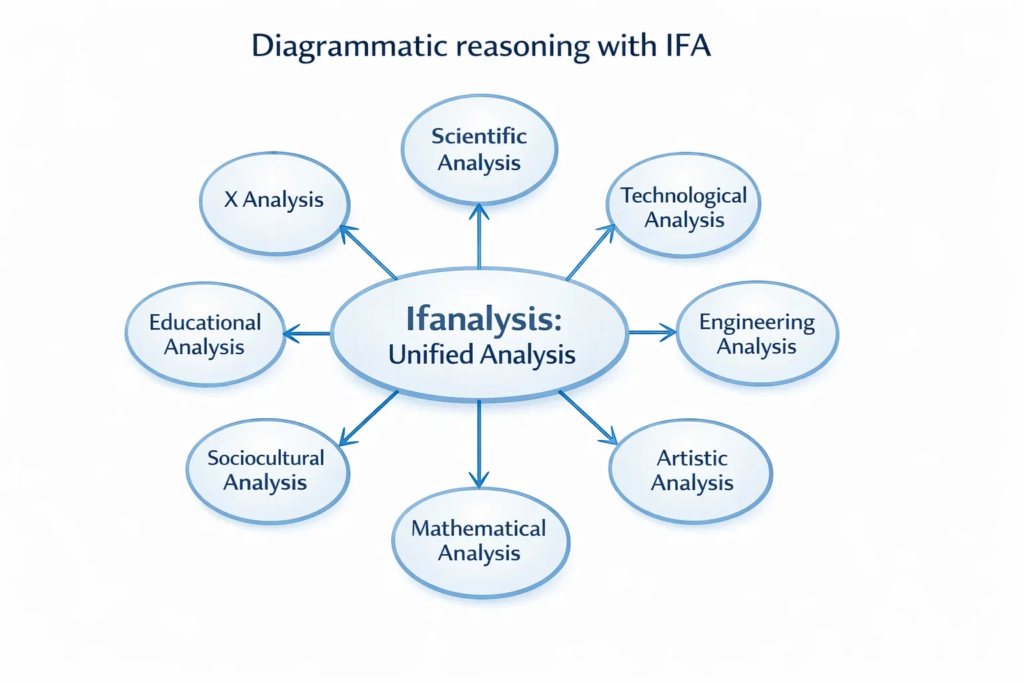
Across fields, analysis always involves:
- Decomposition — breaking into parts
- Structure Identification — finding patterns
- Relation Mapping — studying interactions
- Inference or Interpretation — drawing meaning
In mathematics → limits and structure
In statistics → uncertainty and inference
In psychology → unconscious structure
In data science → pattern extraction
In philosophy → conceptual clarity
Orisa Analysis is the dual of Ifa Analysis. Key examples of Orisanalysis: Osun analysis, Ogun analysis, Obatala analysis, Odu analysis, etc.

Ifa Behavioral Analysis (Ifa-BA)
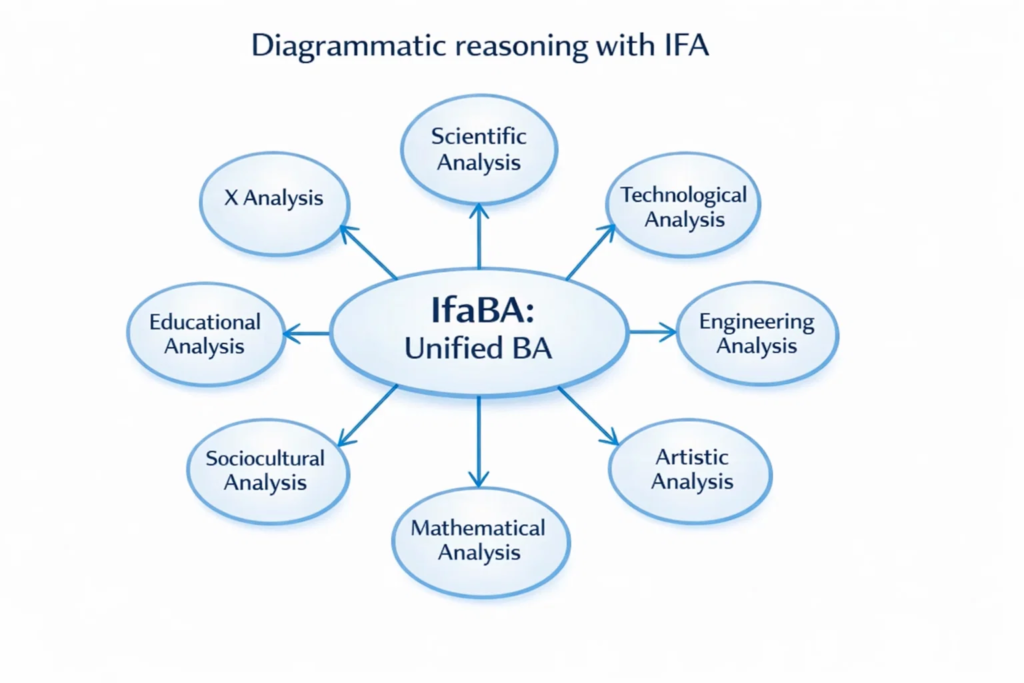
Also known as Ifa-Informed Behavioral Analysis, IfaBA is a general, unified model of behavioral analysis (BA) that integrates diverse BA approaches, theories, models, tools, and techniques to gain a deeper insight into the systematic study of observable behavior.
Ifa BA entails doing BA in IfaLang.
Begin Your Journey with Ifa Analysis Now
Discover how integrating IfaLang can transform your analytical approach. Engage with our tools to deepen your understanding and enhance decision-making across diverse modern disciplines.